

About NDIS
DPV Health is a registered and experienced NDIS provider offering a range of services throughout northern suburbs in Melbourne.
We offer support that’s flexible to fit your needs, focused on your unique goals and all about achieving positive outcomes for you.
Can I get support?
The NDIS supports people living with disability, mental illness or developmental delay. Funding can provide you with the reasonable and necessary support you need in day-to-day life and to achieve your goals.
Eligibility depends on your age, citizenship status and the impact of your disability.
To access funding you must:
- Be an Australian citizen, permanent resident or hold a Protected Special Category Visa
- Be aged under 65
- Have a permanent or ongoing condition that impacts your ability to complete everyday activities. Or, if you have a condition that could get better, having support now will mean you can do more things for yourself in the future.
For more information use the NDIS Access Checklist. The scheme is now available across all of Victoria.
How it works
- The NDIS puts you in charge of your funding and gives you choice and control over the services you purchase.
- If you’re eligible, you’ll work with the National Disability Insurance Agency (NDIA) or an organisation they partner with called a Local Area Coordinator (LAC) to develop your plan.
- Your NDIS plan will look at all areas of your life
- You’ll discuss where you live, what you like to do, your daily needs, and your short and long term goals.
- Through your plan, you’ll receive funding for supports to help you live a good life and achieve your goals. Your plan will be reviewed annually, or sooner if your needs change.

Frequently Asked Questions
To be eligible for the NDIS you must:
- Have a permanent and significant disability or a developmental delay
- Be an Australian citizen, or hold a permanent visa or a Protected Special Category visa
- Be under 65 years of age
- Need support from a person or equipment to do everyday activities
If you want to be part of the NDIS, you must first meet the access requirements of the NDIS.
You can contact the National Disability Insurance Agency (NDIA) on 1800 800 110 if you have any questions about access to the NDIS.
When you have gained access to the NDIS, the NDIA or one of their partner organisations will work with you to develop your first plan.
If you don’t meet the requirements, find out what you can do if you’re not eligible for the NDIS.
Each year, the National Disability Insurance Agency (NDIA) reviews the prices of NDIS supports. As stated in our Service Agreement, DPV Health adjusts prices in line with these pricing reviews.
Please note that the NDIA also increases the funds available in each participant’s NDIS plan if the prices of their supports have changed. This ensures that the same number of hours are available for participants to use.
For current information on NDIS support prices, please see the NDIS Price guides and pricing
If you have any questions, please contact our NDIS Engagement Officers at NDIS@DPVHealth.org.au .
The types of supports that the NDIS may fund for participants include:
- Daily personal activities
- Transport to enable participation in community, social, economic and daily life activities
- Workplace help to allow a participant to successfully find or keep employment in the open or supported labour market
- Therapeutic supports including behaviour support
- Help with household tasks to allow the participant to maintain their home environment
- Help to a participant by skilled personnel in aids or equipment assessment, set up and training
- Home modification design and construction
- Mobility equipment, and
- Vehicle modifications.
There are some kinds of supports that will not be funded or provided by the NDIS
The NDIS Act and the rules made under the NDIS Act also tell us which supports will not be funded by the NDIS.
The NDIS cannot fund a support that is:
- the responsibility of another government system or community service
- not related to a person’s disability
- relates to day-to-day living costs that are not related to a participant’s support needs, or
- is likely to cause harm to the participant or pose a risk to others.
Find more information on types of funded supports here: https://www.ndis.gov.au/
The National Disability Insurance Scheme (NDIS) has a national approach to early childhood early intervention (ECEI) that gives children aged 0-6 years quick access to support that’s tailored to their needs.
This support might be information, emotional support or referral to other services like community health services, playgroups or peer support groups. Your child might also get sessions with early childhood early intervention providers in the short term or medium term.
This level of intervention might be all your child needs to reach his developmental goals.
If your child has longer-term support needs, your child might get an individualised NDIS support plan. This helps your child get access to appropriate supports over the long term.
The NDIS also supports children aged seven years and over, but the steps to support are different for children in this age group.
Related Services & Programs
Click on below for other related services and programs offered at DPV Health.

NDIS & Disability Services
Information for people with disability and NDIS services and programs we offer.

Early Childhood Intervention
Early Childhood Intervention Services (ECIS) support children with a disability or developmental delay from birth to school entry.
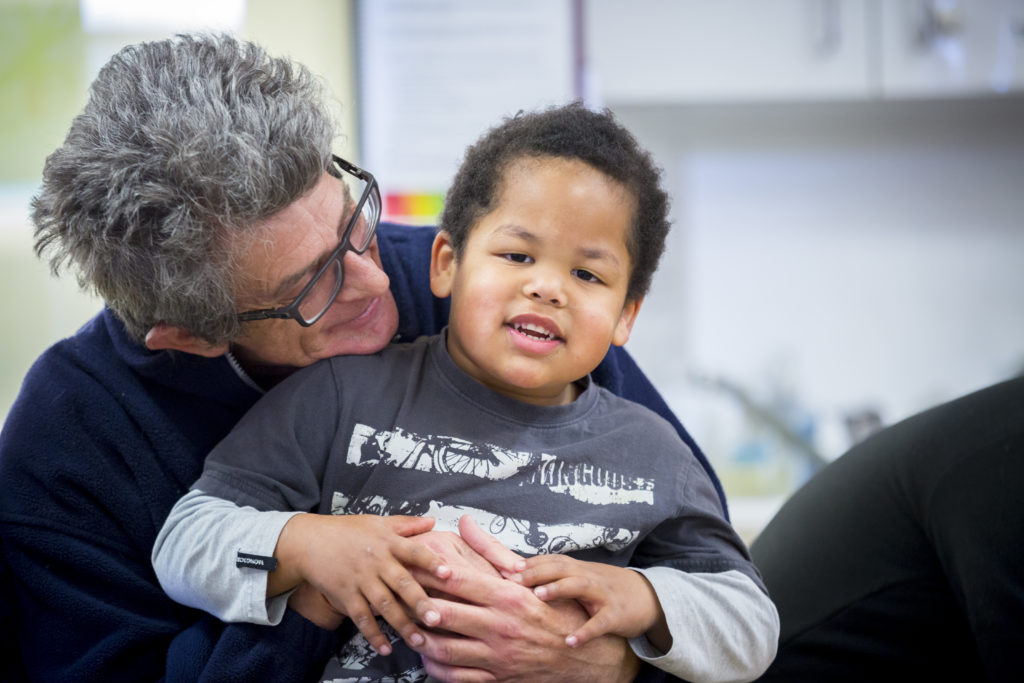
Autism Assessment Clinic
Are you worried if your child has Autism? You may be concerned about your child's speech and language skills, interactions with other children, unusual sensory sensitivities, or repetitive or unusual behaviour.
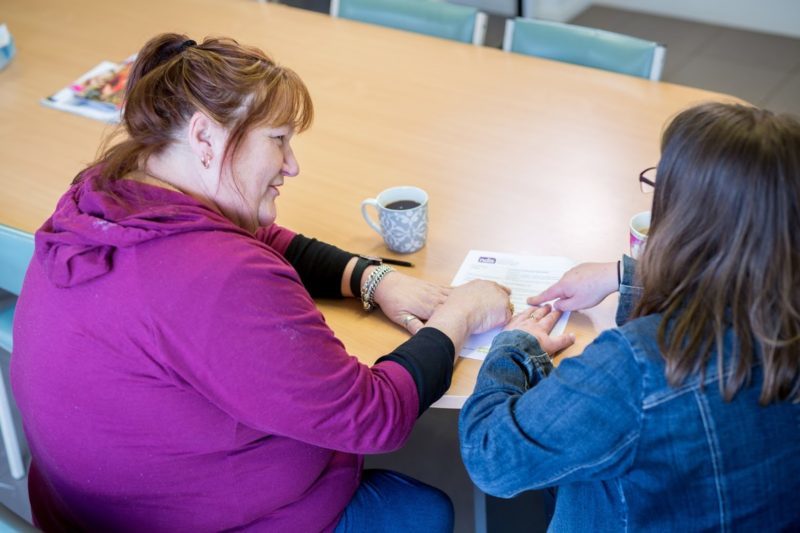
Support Coordination
Our Support Coordinator will work with people who require more intensive support and assistance to implement their NDIS plan.
Resources & Downloads
Click on below for helpful resources and additional support.
Booklet 1 - Understanding NDIS
This booklet is an introduction to the NDIS.
Booklet 2 - Planning
This booklet is about how to start planning for NDIS.
Booklet 3 - Using your NDIS plan
This book is about how to use your NDIS plan.
Guidebook for Early Childhood Intervention
Understanding Early Childhood Intervention.
NDIS Information
Click on the link to find out more information on NDIS including eligibility and how to apply.
Videos

Understanding NDIS
This video is an introduction to the NDIS.

Accessing the NDIS
Watch this video to help guide you through how to access NDIS.
Visit Us
Search for a service in your location
View the map for locations we offer this service at or alternatively select another service from the search bar for other service locations.
Cooper Street, Epping VIC
Ph: 1300 234 263
View location details
Get Directions
Corner of Cooper and, Miller Street
Ph: 1300 234 263
View location details
Get Directions
82-90 St Georges Blvd, Mickleham VIC 3064
Ph: 1300 234 263
View location details
Get Directions
Hudson Circuit, Meadow Heights VIC
Ph: 1300 234 263
View location details
Get Directions
Craigieburn Road, Craigieburn VIC
Ph: 1300 234 263
View location details
Get Directions
Cooper Street, Epping VIC
Ph: 1300 234 263
View location details
Get Directions
Walnut Street, Whittlesea VIC
Ph: 1300 234 263
View location details
Get Directions
Newbold Avenue, Craigieburn VIC
Ph: 1300 234 263
Ph: (03) 8339 9851
View location details
Get Directions
Morang Drive, Mill Park VIC
Ph: 1300 234 263
View location details
Get Directions
Bushmans Way, South Morang VIC
Ph: 1300 234 263
View location details
Get Directions
Sorrento Street, Broadmeadows VIC
Ph: 1300 234 263
View location details
Get Directions
Coleraine Street, Broadmeadows VIC
Ph: 1300 234 263
Ph: (03) 8339 9883 (Emergency Relief)
View location details
Get Directions
Civic Drive, Mill Park VIC
Ph: 1300 234 263
View location details
Get Directions
Davisson Street, Epping VIC
Ph: 1300 234 263
View location details
Get Directions
Newton Street, Thomastown VIC
Ph: 1300 234 263
View location details
Get Directions
Graystone Court, Epping VIC
Ph: 1300 234 263
View location details
Get Directions
Burgundy Street, Heidelberg VIC
Ph: 1300 234 263
View location details
Get Directions
Get in touch
Contact us form
If you would like to make contact with us, to leave a message or query, please complete the form below. Alternatively please call us on 1300 234 263.
Subscribe
Receive health & wellbeing news & information.
 Language

Care and support you can trust, so you can keep doing what you love